
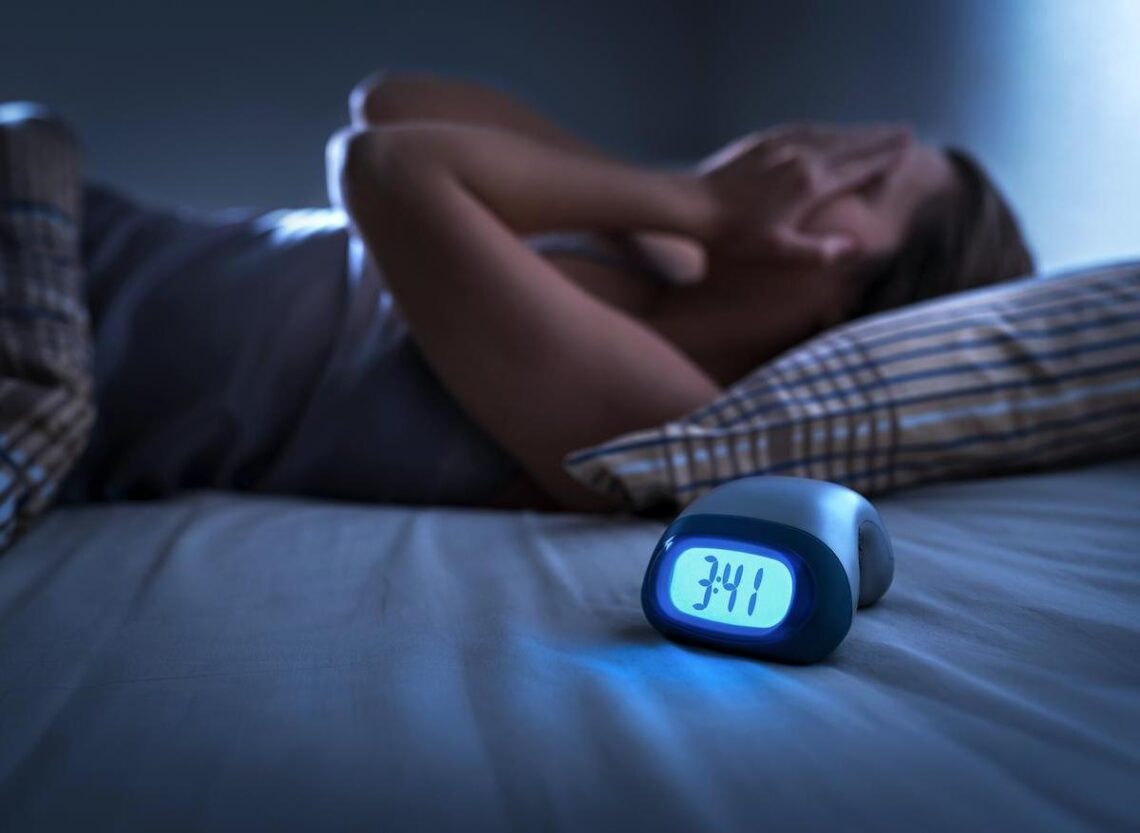

Waking up at 3 AM night after night can be incredibly frustrating, especially when you fall asleep easily but struggle to get back to sleep.
Sometimes, no matter what you do, you simply can’t fall asleep again.
Unlike difficulty falling asleep, the problem here is maintaining sleep throughout the night.
But why does your body seem to wake up at almost exactly the same time?
To understand this, we need to explore sleep cycles, cortisol, blood sugar regulation, stress, and the relationship between the digestive system and the brain.
Waking Up at 3 AM: Understanding Sleep Cycles
Sleep is not a continuous, uniform state.
Throughout the night, we move through several cycles that include different stages:
- Light sleep.
- Deep sleep.
- REM sleep, which is strongly associated with dreaming.
Each cycle lasts approximately 90 minutes, although the duration varies considerably between individuals and throughout the night.
Deep sleep tends to be more abundant during the first part of the night, while REM sleep becomes more prominent toward morning.
Brief awakenings between sleep cycles are completely normal.
Most of the time, we fall back asleep quickly without remembering them.
However, when awakenings become prolonged or frequent, they can fragment sleep and interfere with restorative rest.
Waking Up at 3 AM: Could Cortisol Be Involved?
Cortisol is a hormone produced by the adrenal glands under the regulation of the hypothalamic-pituitary-adrenal axis.
It plays important roles in stress responses, energy metabolism, and the regulation of our sleep-wake cycle.
The Natural Cortisol Rhythm
In people with regular sleep schedules, cortisol levels are generally relatively low during the early part of the night.
They begin rising during the latter part of the night, reaching higher levels around waking.
This is a normal physiological process that helps prepare the body for daytime activity.
It does not indicate that the adrenal glands are malfunctioning.
Can Stress Cause Nighttime Awakenings?
Chronic stress may contribute to a state of nervous system hyperarousal.
Even when someone falls asleep without difficulty, excessive physiological or cognitive alertness may make sleep more fragile.
Some studies have identified differences in cortisol regulation among individuals experiencing insomnia.
However, this does not mean that nighttime awakenings are always caused by excessive cortisol.
Waking up at 3 AM is not, by itself, evidence of abnormal cortisol levels.
The time of awakening cannot establish its underlying cause.
If you also struggle to fall asleep at bedtime, read my previous article on difficulty falling asleep and why your brain won’t switch off at night.
Waking Up at 3 AM: Could Blood Sugar Be Involved?
During the night, our bodies continue to regulate blood glucose levels to ensure a steady supply of energy, particularly to the brain.
This regulation depends on a complex balance between several hormones, including insulin, glucagon, cortisol, and adrenaline.
The liver also plays an essential role by releasing glucose into the bloodstream when needed.
Can Unstable Blood Sugar Cause Nighttime Awakenings?
Even without diabetes, some individuals may experience fluctuations in blood glucose levels depending on their diet, insulin sensitivity, physical activity, and metabolism.
When blood glucose drops sufficiently to trigger a counterregulatory response, the body may release adrenaline and other hormones to help restore glucose levels.
This response may be accompanied by:
- Sudden awakenings accompanied by a feeling of alertness.
- Heart palpitations.
- Night sweats.
- Hunger.
- Restlessness or difficulty returning to sleep.
Could Your Evening Meal Play a Role?
The composition and timing of your evening meal can influence blood glucose and insulin responses during the following hours.
A meal rich in rapidly absorbed carbohydrates may produce a significant rise in blood glucose, followed by a decline as insulin acts.
For some individuals, particularly those experiencing difficulties with glucose regulation, examining dietary patterns and nighttime symptoms may be useful.
In a personalized approach, blood sugar regulation is therefore one of the factors worth considering when investigating recurring nighttime awakenings.
Waking Up at 3 AM: The Gut–Brain Connection
In my naturopathic practice, I pay particular attention to the interactions between the digestive and nervous systems.
Sleep and digestion are often considered separate functions, but they are closely connected.
Acid Reflux and Nighttime Awakenings
Gastroesophageal reflux can become particularly troublesome at night.
When lying down, the mechanisms that normally help prevent stomach contents from moving upward are less effective.
Some people experience heartburn or regurgitation, while others may primarily notice nighttime coughing or throat irritation.
These symptoms can trigger brief awakenings or prolonged periods of wakefulness.
Bloating and Abdominal Discomfort
Abdominal distension, intestinal spasms, and digestive pain can also interfere with sleep.
Conversely, insufficient sleep may increase pain sensitivity and influence how digestive symptoms are perceived.
This two-way relationship is important when exploring persistent sleep disturbances.
The Gut Microbiome
The gut microbiome participates in communication between the digestive system and the brain through neural, immune, and metabolic pathways.
Research also suggests interactions between the microbiome, circadian rhythms, and sleep regulation.
However, current evidence does not establish that a specific microbiome imbalance causes waking up at a particular hour.
This remains an interesting and evolving area of research.
Why Can Nighttime Awakenings Become a Habit?
Sometimes, a sleep disturbance that begins with a temporary event gradually becomes a recurring problem.
Stress, illness, or changes in daily routines may initially disrupt sleep.
But anxiety about sleep can then perpetuate the difficulty.
You wake up, check the clock, and start calculating how many hours remain before morning.
You worry about how tired you’ll feel the next day.
This increases alertness and makes returning to sleep more difficult.
Over time, the response may become automatic.
This is one of the mechanisms involved in maintaining certain forms of chronic insomnia.
Other Possible Causes of Nighttime Awakenings
Frequent nighttime awakenings may also be associated with:
- Obstructive sleep apnea.
- Chronic pain.
- Certain medications.
- Evening alcohol consumption.
- Frequent nighttime urination.
- Menopausal hot flashes.
- Anxiety or mood disorders.
- Circadian rhythm disturbances.
Sleep apnea should be considered particularly when nighttime awakenings are accompanied by loud snoring, witnessed breathing pauses, or excessive daytime sleepiness.
Waking Up at 3 AM: How to Reduce Nighttime Awakenings
1. Maintain Consistent Wake-Up Times
Regular wake-up times help stabilize the body’s internal clock.
2. Evaluate Your Caffeine Intake
Caffeine can affect not only how quickly you fall asleep but also sleep continuity and quality.
Some individuals are particularly sensitive to its effects, even when caffeine is consumed several hours before bedtime.
To better understand how caffeine can interfere with sleep, read my article on jet lag and sleep, where I explain why I personally avoid stimulants when traveling.
3. Limit Evening Alcohol
Alcohol may initially make falling asleep easier, but it often contributes to fragmented sleep during the second half of the night.
4. Consider Your Digestive Health
If you experience acid reflux, avoiding large meals shortly before bedtime and allowing two to three hours between dinner and lying down may help.
5. Avoid Clock-Watching
Repeatedly checking the time can increase sleep-related anxiety.
If you remain awake for an extended period and become frustrated, temporarily getting out of bed for a quiet activity may be more helpful than trying to force sleep.
Conclusion: Understanding Why You Wake Up at Night
Brief awakenings during the night are a normal part of sleep.
However, when they become prolonged, frequent, or associated with significant daytime fatigue, it is important to investigate possible contributing factors.
Cortisol, blood sugar regulation, stress, and digestion may all be involved in certain situations, but none can be identified solely from the time of awakening.
In my naturopathic practice, I focus on the relationships between the nervous system, digestion, and lifestyle habits.
Are you struggling with frequent nighttime awakenings or unrefreshing sleep?
I offer personalized consultations, both in person and online, to help explore factors that may be contributing to your sleep difficulties, alongside appropriate medical care when needed.
Béatrice Levinson – Naturopath, 38 Years of Experience, Specializing in the Gut–Brain Connection.