

Jet lag and sleep are closely connected. Have you ever returned from a long trip feeling completely exhausted, yet unable to fall asleep at the right time?
That’s one of the frustrating paradoxes of jet lag: your body is tired, but your internal clock seems to be operating on an entirely different schedule.
I’ve just returned from California to France, crossing nine time zones.
Over the years, I’ve developed a few habits that have helped me minimize the effects of jet lag.
One of the most important, in my personal experience, is completely avoiding caffeine around the time of travel.
But to understand why this may help, we first need to understand how our biological clock works.
Jet Lag and Sleep: Understanding Circadian Disruption
Jet lag occurs when we travel rapidly across several time zones.
Our bodies have a central biological clock located in a small region of the brain called the suprachiasmatic nucleus, within the hypothalamus.
This internal clock helps regulate many physiological processes, including:
- Sleep and wake cycles.
- Body temperature.
- Hormonal rhythms, particularly melatonin and cortisol.
- Appetite and digestion.
- Energy metabolism and blood sugar regulation.
When we travel across continents, our internal clock initially remains synchronized with the time zone we left behind.
For example, when I return to France from California, my body needs to adjust to a nine-hour time difference.
This adjustment takes time, which explains why jet lag symptoms can persist for several days.
Jet Lag and Sleep: Why Digestion Is Also Affected
We usually associate jet lag with fatigue and sleep disturbances.
However, its effects extend well beyond sleep.
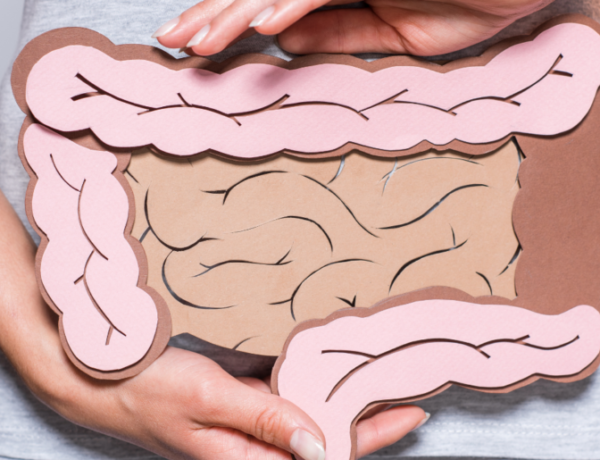
Our digestive system also follows biological rhythms.
Intestinal motility, digestive secretions, and several metabolic processes fluctuate throughout the day.
These rhythms are influenced by both our central biological clock and the timing of our meals.
When we suddenly change time zones, different physiological rhythms may temporarily become misaligned.
This can contribute to:
- Bloating and digestive discomfort.
- Changes in bowel movements.
- Altered appetite.
- Hunger at unusual times.
- Temporary changes in blood sugar regulation.
Scientific research also suggests important interactions between circadian rhythms and the gut microbiome.
However, the precise effects of jet lag on the human microbiome are still being investigated.
These connections highlight why sleep, digestion, and metabolism should not be considered entirely separate systems.
Jet Lag and Sleep: Why Caffeine Can Make Recovery More Difficult
Understanding the relationship between jet lag and sleep is particularly important when using caffeine to fight travel fatigue.
After a long flight, many travelers reach for a cup of coffee to overcome exhaustion.
But caffeine may sometimes interfere with the adjustment process.
Understanding Adenosine
Throughout the day, our need for sleep gradually increases.
Adenosine is one of the molecules involved in regulating this sleep pressure.
Caffeine works primarily by blocking adenosine receptors.
As a result, it temporarily reduces the sensation of sleepiness without eliminating the body’s physiological need for rest.
You may feel more alert, even though your body still needs sleep.
How Long Does Caffeine Stay in Your System?
In adults, caffeine typically has a half-life of approximately four to six hours, although individual differences can be substantial.
This means that several hours after drinking coffee, a significant amount of caffeine may still be circulating in your body.
For example, with a five-hour half-life, approximately 25% of the original amount may still be present ten hours later.
Caffeine can therefore delay sleep onset or interfere with sleep quality even when its stimulating effects are no longer noticeable.
Why Are Some People More Sensitive to Caffeine?
Not everyone metabolizes caffeine at the same rate.
A liver enzyme called CYP1A2 plays a major role in breaking it down.
Its activity varies according to genetic factors, medications, smoking status, and other individual characteristics.
In addition, sensitivity to caffeine’s effects on the brain can vary independently of how quickly it is eliminated.
This helps explain why some people can drink espresso after dinner and sleep without apparent difficulty, while others find that even one cup of tea affects their sleep.
I happen to belong to the second group.
My Personal Approach to Minimizing Jet Lag
For many years, I’ve followed three simple rules when traveling between France and California.
1. Avoid Caffeine
I eliminate coffee and caffeinated tea for approximately one week before traveling and one week after arriving.
This is my personal routine, not a universal medical recommendation.
Caffeine does not need a full week to leave the body.
However, people who regularly consume caffeine may benefit from reducing their intake in advance to avoid withdrawal symptoms during their trip.
For me, avoiding caffeine makes a noticeable difference in my sleep quality.
2. Avoid Alcohol
Alcohol may initially make falling asleep easier.
However, it disrupts normal sleep architecture and can increase nighttime awakenings, particularly during the second half of the night.
That’s why I avoid alcohol before, during, and after long-distance travel.
3. Immediately Adjust to Local Time
As soon as I arrive, I adopt the schedule of my destination.
If I land in the morning, I take a shower, remain active throughout the day, and try not to go to bed before 9 p.m., even when I’m extremely tired.
I also adjust my meals to local times.
This approach has consistently helped me adapt more comfortably.
However, severe sleepiness should never be ignored, particularly when driving or performing activities that require sustained attention.
Natural Light: An Essential Circadian Signal
Light is the most powerful environmental signal for synchronizing our internal biological clock.
Exposure to light at the appropriate time can help our bodies adjust to a new time zone.
However, the optimal timing depends on the direction of travel, the number of time zones crossed, and the current phase of our internal clock.
Poorly timed light exposure can actually delay adjustment.
This is why advice to simply seek bright morning light is not appropriate for every travel situation.
Jet Lag and Sleep: Why Eight Hours May Not Be Enough
Are you getting enough sleep but still waking up exhausted? Read my article about why you may feel tired after eight hours of sleep to better understand the possible causes.
Jet lag reminds us that restorative sleep depends on more than the number of hours spent in bed.
We may sleep for eight hours and still wake up exhausted if our sleep is fragmented or poorly aligned with our biological rhythms.
In my naturopathic practice, I pay particular attention to the relationships between sleep, stress, digestion, and daily habits.
These factors can influence one another and may contribute to persistent sleep disturbances.
Conclusion
Jet lag is a temporary disruption of our biological rhythms, not simply travel-related fatigue.
Reducing stimulants, avoiding alcohol, adjusting daily schedules, and managing light exposure can all support the transition to a new time zone.
For me, eliminating caffeine has been one of the most effective personal strategies.
And if you regularly experience insomnia, nighttime awakenings, or unrefreshing sleep, it may be worth exploring the factors contributing to those symptoms rather than focusing exclusively on the number of hours you sleep.
Would you like to better understand what’s interfering with your sleep?
I offer personalized naturopathic consultations, both in person and online, with an approach that considers lifestyle habits, digestion, stress, and overall well-being.
Béatrice Levinson – Naturopath, 38 Years of Experience, Specializing in the Gut–Brain Connection.