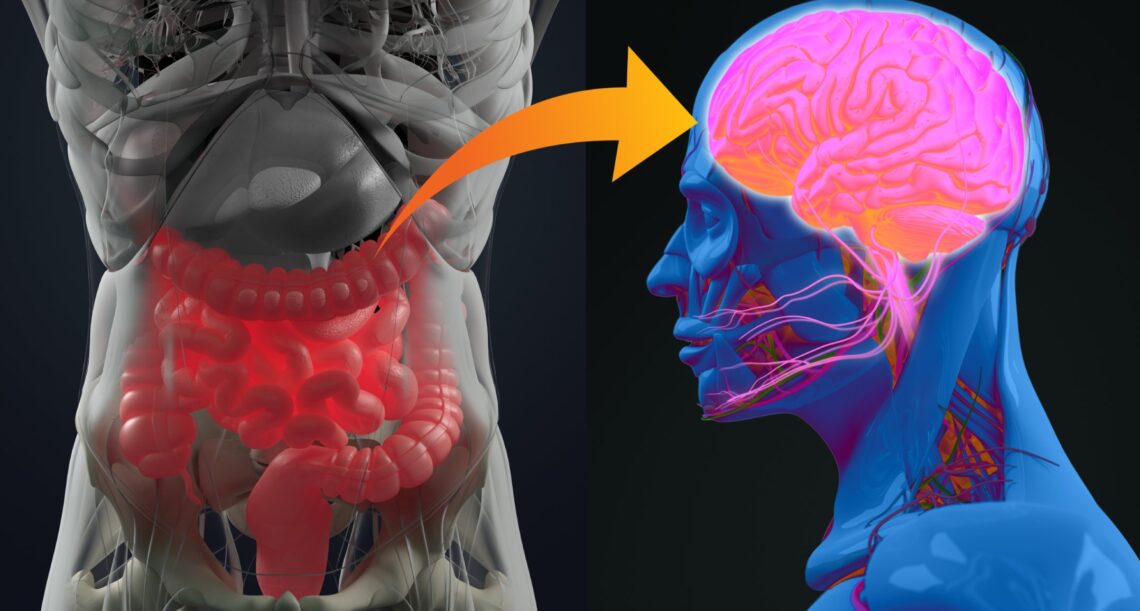

The gut microbiome and sleep are linked through constant communication between the gut and the brain. This connection may influence overall balance and the quality of your nights.
When we don’t sleep well, we tend to think about stress, screens, coffee, or a room that’s too warm. We’re less likely to think about the gut. Yet the brain and digestive system are in constant communication, and this connection may play a role in sleep.
The gut microbiome—the community of microorganisms living in the gut—is part of this relationship. Looking after your gut can also support the overall balance that may influence your nights.
How Are the Gut Microbiome and Sleep Connected?
The gut and brain exchange information through several pathways, including the nervous system, hormones, and the immune system. The microbiome is involved in some of these processes. This communication is often called the gut-brain axis (see my previous article on this subject)
Sleep doesn’t depend on a single organ or factor. It’s part of a wider set of rhythms and functions in the body. That’s why digestive health is worth considering when exploring what may be affecting your sleep.
The Gut Microbiome-Sleep Connection Works Both Ways
The gut may contribute to processes that influence sleep. But the relationship also works in the other direction: short or irregular nights may affect the balance of the microbiome.
In other words, sleep and gut health are connected. When one is disrupted, the other may also be affected. Research into insomnia has found differences in the microbiome between some groups of people with and without insomnia. Systematic review on the gut microbiome and insomnia
These differences don’t mean that everyone with insomnia has an identifiable gut problem. They do, however, support looking at the body as a whole, rather than reducing sleep to the brain alone or to a single habit.
How Can You Look After Your Gut Every Day?
There isn’t one action that improves everyone’s microbiome. However, some general habits can support digestive health:
- Choose fresh, nutrient-rich, minimally processed foods.
- Adjust your fibre intake to your own digestive tolerance.
- Keep meal and sleep times fairly regular.
- Pay attention to your own responses: everyone’s needs and tolerance vary.
These habits aren’t a treatment for insomnia. They can support overall health, which includes digestion and sleep.
Are Probiotics the Answer for Your Gut Microbiome and Sleep?
Probiotics are often associated with the idea of better sleep. They’re part of interesting research into the microbiome, but products and strains aren’t interchangeable. Clinical trials don’t support considering probiotics a reliable treatment for insomnia. Meta-analysis of trials on microbiome modulation and sleep
A good place to start may be with fermented foods, which are often more effective and much less expensive than probiotic supplements. To learn more about probiotics and fermentation, read this article.
Don’t Overlook Other Possible Causes
The gut is one piece of the puzzle, but it doesn’t explain everything. Sleep can also be affected by stress, anxiety, pain, some medications, work schedules, or other sleep disorders.
If your sleep difficulties persist or affect your daily life, seek help from a healthcare professional. An assessment can help identify contributing factors and find an appropriate approach.
Key Takeaways
The gut microbiome and sleep are linked through communication that works in both directions. The gut doesn’t replace other possible explanations and can’t, by itself, explain every case of insomnia. But it’s one of the factors that contribute to overall balance—and deserves a place in the conversation about sleep.
Your sleep starts in your gut, too.